WHERE IS TIPPER GORE WHEN WE NEED HER?
As a resident of Hartsville working as an elementary school principal in Goodlettsville, the book battle currently being waged among the good folks of Rutherford County (played out by RCLS and Library Director, Luanne James) really has no direct impact on me, at least not at face value. What impacts all Americans, however, is the emotional development and well-being of our most important national resource, our children. Few would dispute that this emotional well-being is tied directly to the media children consume. Books create a unique problem unlike most other media, given their lack of a rating system.
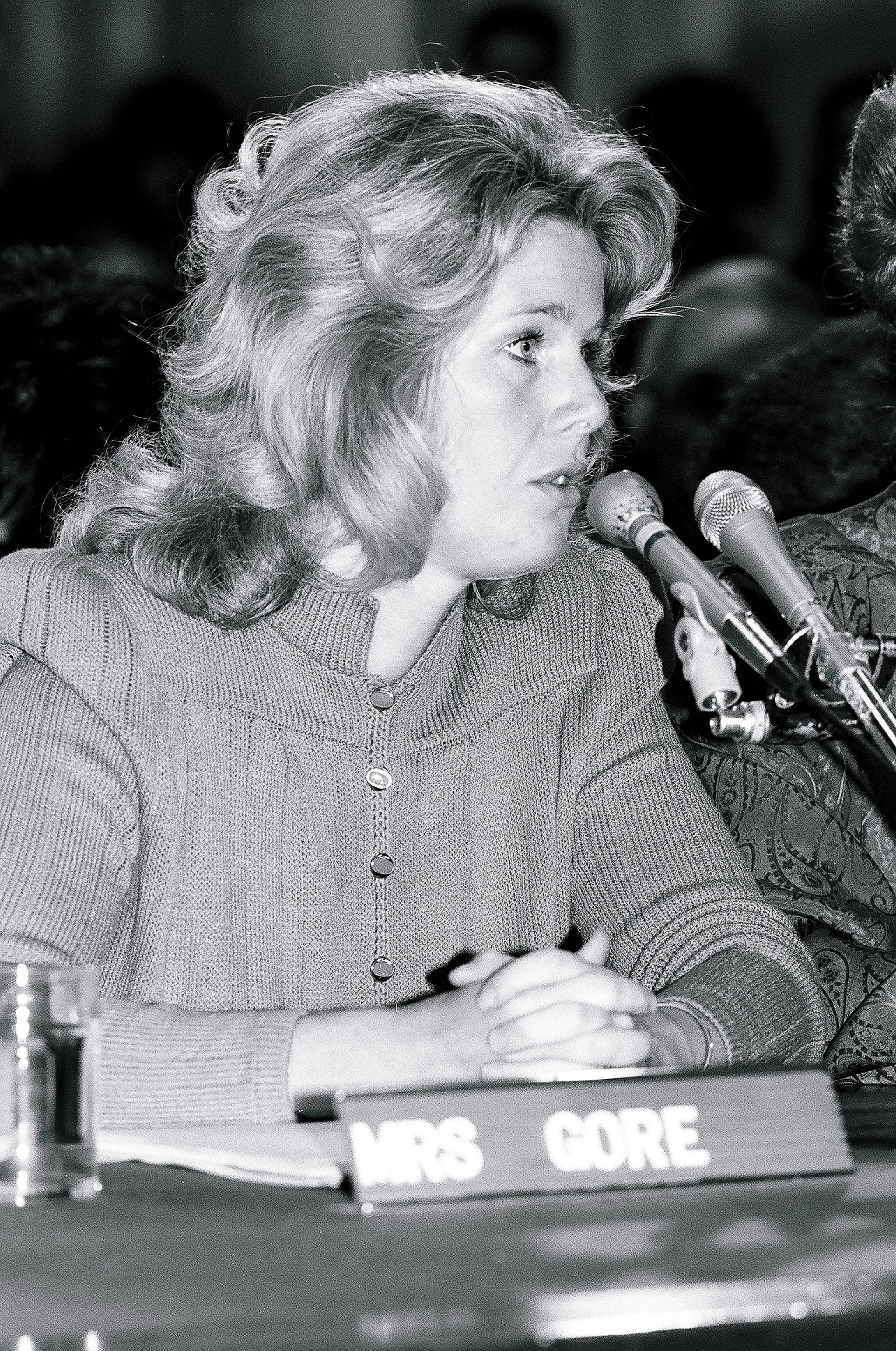
Movies and TV shows have well-established rating systems designed to inform conscientious parents about the age appropriateness of the content. The ESRB establishes rating symbols based on the content of video games and apps, with the organization’s mission being described as “helping parents make informed decisions about games and apps their children play.” Thanks to Tipper Gore (wink), ever-evolving music formats have displayed parental warnings since at least 1985, beginning with “Explicit Lyrics” or “Parental Advisory” stickers on tapes and CDs. Those warnings have now evolved into an “E” icon for streamed music deemed explicit, much of which can be controlled by parents through device settings or even the streaming service itself. But what about books? Where are the rating systems and control mechanisms for the world’s oldest, most reliable, and arguably most accessible medium? Who wields the real power in the absence of these safeguards, safeguards to which nearly all other media are subjected? In America, librarians exercise limited authority in deciding who can access library books, acting under the directives of library boards or other governing bodies. It’s an important job with tremendous moral responsibility.
While the constitutional fortitude of Luanne James is somewhat commendable, though arguably misguided, I question whether or not her self-proclaimed protection of the First Amendment should come at the expense of children’s innocence. Her argument rings hollow. Would we applaud a gun store owner who grants firearm access to children because he is “professionally and ethically bound to uphold the Second Amendment of the U.S. Constitution?” Defenders of the now unemployed Library Director would likely point to guidance offered by the American Library Association as their justification, but a quick internet search might lead independent thinkers to conclude that the ALA has a clear political agenda—an agenda opposite that of, but no less verifiable than, those who called for the Director’s termination. Children have no place in political agendas.
Make no mistake, the Rutherford County library drama is symptomatic of a much larger contemporary political war being fought across several battlefields, two of which are public libraries and school libraries. Depending on the outcome, however, the war’s greatest casualty might well be the innocence of our precious children. Politics completely aside, children need grown-up champions who do everything within their power to protect little minds from ALL developmentally inappropriate media, including library books.
 reluctantleadersite